Electrolyte Dynamics and Hydration: Optimizing Bio-Electrical Conductivity in Professional EMS Training
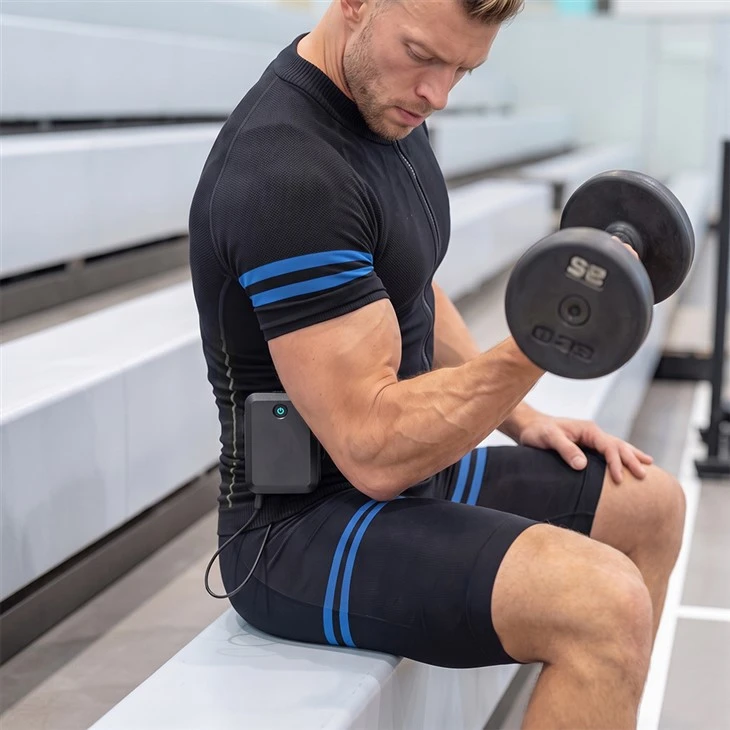
In the application of Whole-Body EMS (WB-EMS), the human body acts as the final component of the electrical circuit. The efficiency with which an impulse travels from the silver fiber electrode to the motor nerve is primarily governed by Skin Impedance. For B2B providers, understanding the physiological role of hydration and electrolytes is essential to ensuring a comfortable, high-performance training experience while preventing "hot spots" or stinging sensations.
1. The Biophysics of Conductivity: Why Water and Ions Matter
Pure water is a poor conductor; it is the dissolved minerals-Electrolytes such as Sodium (Na+), Potassium (K+), and Magnesium (Mg2+)-that allow electrical charges to flow. In an EMS context, cellular hydration levels determine the volume of interstitial fluid, which serves as the medium for signal transmission.
- Reducing Skin Impedance: Dehydrated skin has high electrical resistance. Proper hydration lowers this barrier, allowing the pulse to penetrate deeper with less voltage.
- Facilitating Depolarization: Electrolytes are required for the "Sodium-Potassium Pump" mechanism. Insufficient ion levels can lead to sluggish muscle responses or premature cramping under stimulation.
- Thermal Regulation: Hydration supports efficient sweating, which naturally dampens the electrode-to-skin interface, maintaining a stable conductive bridge.
2. Technical Hydration Matrix: Pre- and Post-EMS Protocols
To maintain Signal Integrity throughout a 20-minute session, we recommend that studios implement a standardized hydration protocol. Our Shenzhen-based engineering lab has observed that even a 2% drop in body water can increase the required intensity threshold by up to 15mA to achieve the same muscular contraction.
| Phase | Recommended Intake | Technical Rationale |
|---|---|---|
| Pre-Session (30 min) | 500ml Water + Electrolyte Tab | Lowers initial skin impedance; prevents "prickling." |
| Intra-Session | Small sips as needed | Maintains sweat-film for electrode contact. |
| Post-Session (1 hour) | 750ml - 1L Fluid Recovery | Aids in the flush of metabolic byproducts (CK/Lactate). |
3. Solving the "Stinging" Problem: Sweat and Conductivity
When a client reports a sharp, localized stinging sensation, it is often due to Current Crowding. If the skin is too dry, the electrical pulse seeks the path of least resistance-usually a small pore or a damp patch of skin-causing a high current density in one tiny area. Proper systemic hydration and the use of high-quality silver fiber garments (which distribute the charge evenly) are the most effective counters to this issue.
Maintenance Tip: Excessive salt buildup on the suit from sweat can also alter conductivity. We recommend a fresh-water rinse of the electrode areas after high-intensity sessions to prevent mineral crystallization within the fiber.
4. EMS Hydration and Electrolytes FAQ
Q: Can coffee or caffeine affect EMS session comfort?
A: Yes. Caffeine is a mild diuretic and a vasoconstrictor. High caffeine intake can lead to slightly drier skin surfaces and increased neural sensitivity, which might make the stimulation feel "sharper" than usual. Clients should balance caffeine with extra water.
Q: Is it necessary to use a conductive gel with silver fiber suits?
A: For professional-grade silver fiber, conductive gel is usually not necessary if the client is well-hydrated and a light mist of water is applied to the pads. The body's natural perspiration during the first 2 minutes of training typically provides enough ions for a stable connection.